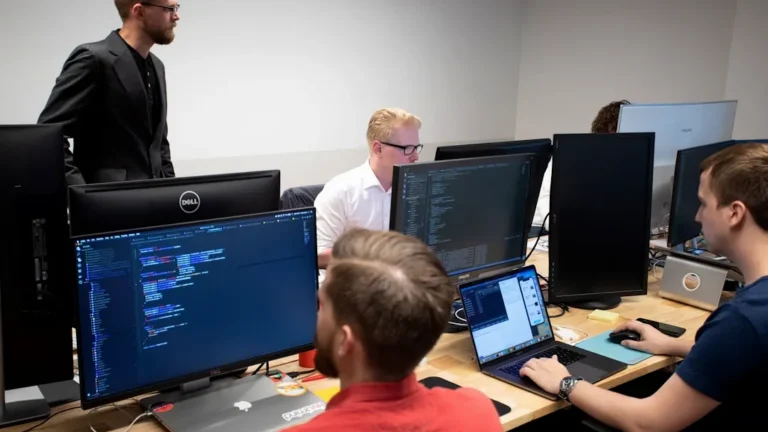
Agentic AI in Asset Management Is Not Just Faster Automation—it Rewrites Oversight
Asset managers are starting to use AI that does not just assist analysts but can…









Asset managers are starting to use AI that does not just assist analysts but can…

The immediate risk in recent LLM abuse cases is not mainly a clever prompt. It…

Google DeepMind and India’s Atal Innovation Mission have launched ATL Saathi as a teacher-facing AI…

Technical interview AI tools are no longer just about helping candidates solve coding questions faster….
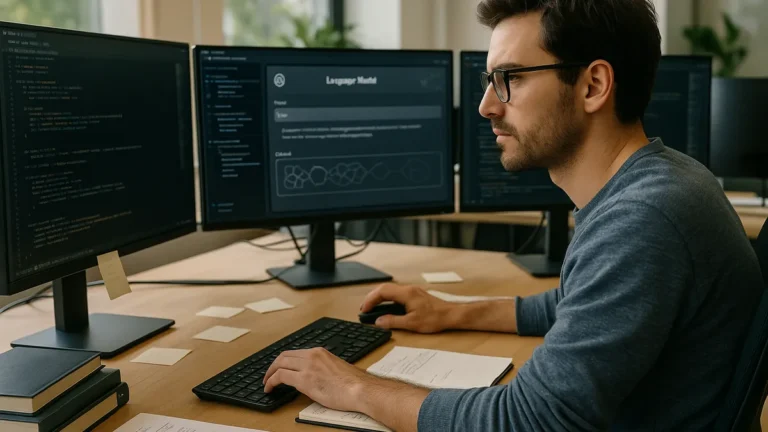


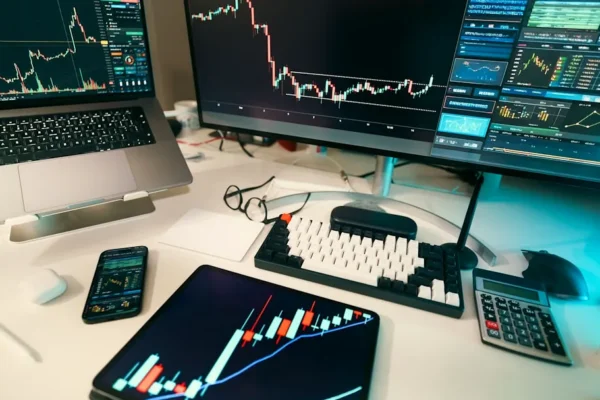
Asset managers are starting to use AI that does not just assist analysts but can set goals, adapt strategy as markets move, and execute trades without waiting for human approval. That changes the real issue from productivity alone to governance, infrastructure, and accountability: once investment decisions become autonomous and continuously learning, firms need different controls,…

The immediate risk in recent LLM abuse cases is not mainly a clever prompt. It is stolen cloud access that lets attackers run expensive AI services on someone else’s account, verify that access with low-noise API probes, and then scale misuse before a security team notices unusual model traffic. Why credential theft changes the threat…

Google DeepMind and India’s Atal Innovation Mission have launched ATL Saathi as a teacher-facing AI assistant for Atal Tinkering Labs, not as a chatbot for students. That distinction matters because the 100-school pilot is testing a specific deployment thesis: whether Gemini-based support can turn scattered training material and ad hoc project guidance into a practical…
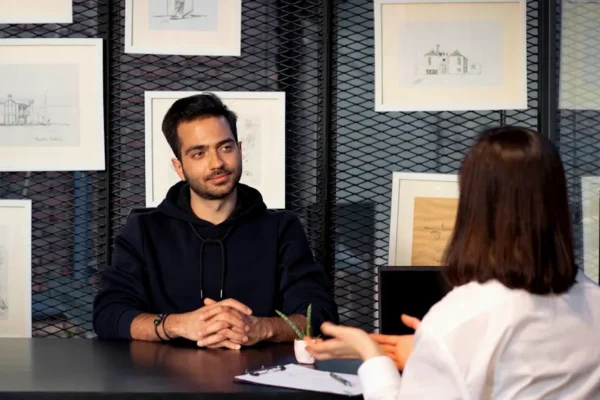
Technical interview AI tools are no longer just about helping candidates solve coding questions faster. The material shift going into 2026 is that employers are starting to treat AI collaboration itself as a hiring signal: can a candidate scope a problem, prompt an assistant well, review generated code, and explain the trade-offs. “AI interview tools”…
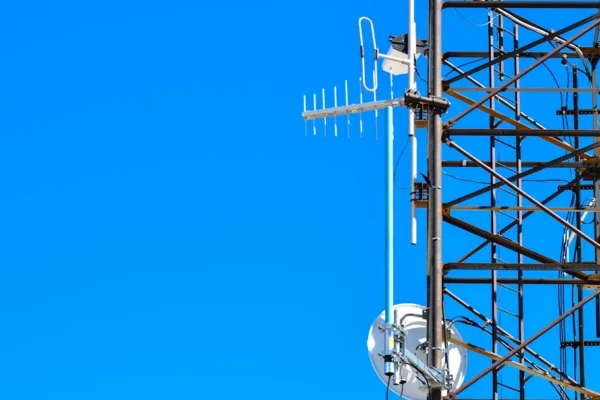
Deutsche Telekom’s AI strategy is not mainly about adding assistant features to phones or customer service. The material shift is that it is pushing AI into the network layer, internal operations, and sovereign cloud infrastructure at the same time, which would move it closer to being a European AI platform operator rather than a conventional…

Rydberg atom sensors matter because they are not just better antennas. They use atomic physics instead of metal resonant hardware, which is why defense agencies, metrology labs, and telecom researchers are treating them as a new RF sensing architecture rather than an incremental receiver upgrade. Why these sensors are a different class of receiver A…

Codex is finding a place in finance teams not as an autonomous reporting stack, but as an assistant layered onto existing spreadsheets, dashboards, and collaboration tools. Its practical value is narrower and more concrete: drafting monthly business review narratives, cleaning up models, and building variance bridges from data teams already maintain, while leaving review, sign-off,…

Hello Robot’s Stretch 4 is not just a faster version of its earlier home robot. The redesign is notable because it treats assistive deployment as a sensing, safety, and portability problem first, especially for people with severe mobility impairments who need a machine that can work close to the body in cluttered indoor spaces. Built…

ChatGPT’s early-2026 growth is easiest to understand as two accelerations happening together: mass consumer expansion and deeper enterprise deployment. The headline number is 900 million weekly active users, up from 400 million in 2025, but the more useful signal is that OpenAI is scaling both a global consumer product and a workplace platform at the…
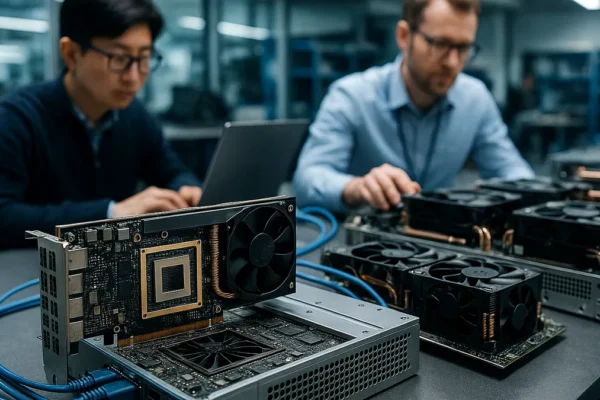
The useful distinction is not cloud versus edge, or chips versus networking. The material change is that faster AI inference hardware and AI/ML-native Wi-Fi are starting to solve the same deployment problem together: how to run real-time models efficiently while moving less data, wasting less spectrum, and staying inside tight power budgets. Two upgrade paths…